Experienced Roofing Contractor for Robust Fixes
Securing an seasoned roofing contractor is important for obtaining long-lasting solutions. Their knowledge and knowledge of materials can significantly affect a home's durability and maintenance. A professional contractor does not just comply with industry standards but also offers insights into perfect choices for specific needs. Understanding the benefits and processes involved in selecting the right contractor elicits important questions. What should homeowners evaluate before settling on their decision?
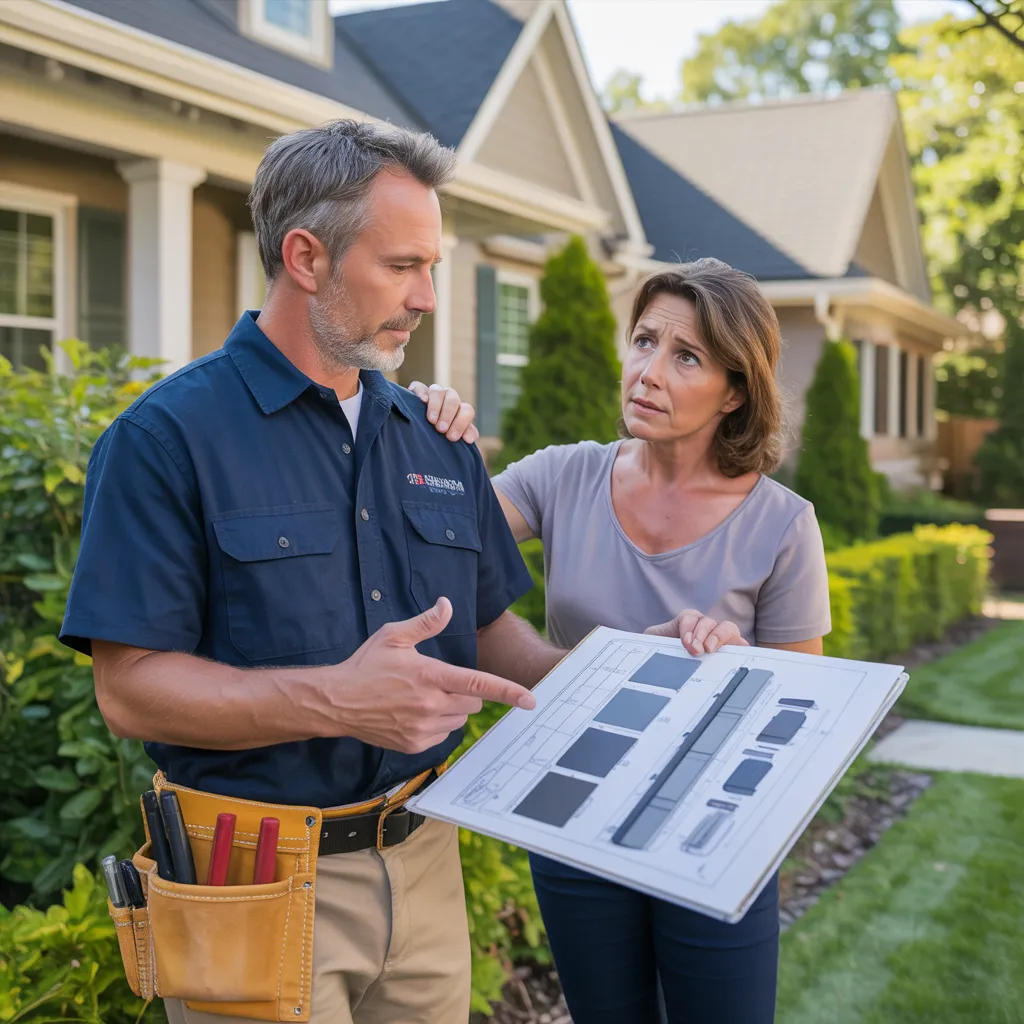
Why Opt for an Skilled Roofing Contractor?
When property owners look for roof repair options, choosing a experienced contractor can significantly impact the durability and quality of the final result. Seasoned contractors possess a store of understanding about different roofing materials and techniques, enabling them to suggest the optimal options tailored to specific needs. Their expertise ensures that installations conform to industry standards, reducing the likelihood of future issues.
Moreover, seasoned contractors often have established relationships with suppliers, allowing them to obtain high-quality materials at competitive prices. This can lead to a more cost-effective project without compromising on quality.
Additionally, seasoned contractors commonly provide warranties on their work, giving homeowners with peace of mind. This confidence reflects their trust in the quality they deliver. Ultimately, choosing an experienced roofing contractor not only improves the immediate outcome but also contributes to the long-term performance and safety of the home.
How to Tell When You Need to Employ a Roofing Contractor?
What indicators should a resident monitor when deciding whether to reach out to a roof professional? Spotting the warning signs of roof damage is important for maintaining a secure and operational home. Property owners must remain observant for broken, cracked, or lifting shingles, which signal possible damage. Moreover, water marks appearing on interior ceilings or wall surfaces could point to water penetration requiring prompt intervention. A settling roofline represents another serious danger signal, often exposing internal structural damage below the visible surface.
Moreover, increased energy bills can signal inadequate thermal protection or weak ventilation resulting from roofing issues. Consistent reviews after intense weather conditions like storms or heavy snowfall are essential to catch any emerging issues in a timely manner. If any of these alert signs are observed, it is suggested to get in touch with a experienced roofing contractor to evaluate the circumstances and advise required repairs or replacements. Immediate measures can prevent further damage and protect the lifespan of the roof.
Perks of Retaining a Qualified Roofing Contractor
Working with a professional roofing contractor provides significant advantages, particularly in expertise and skill. These technicians are educated to handle assorted roofing concerns while upholding the use of quality materials. As a consequence, this leads to solid and dependable roofing solutions that can withstand the wear and tear of time.
Specialization And Capabilities
Although many homeowners may consider tackling roofing projects themselves, the skills and proficiency of a professional roofing contractor can greatly enhance the outcome. These specialists have specialized training and vast experience, enabling them to spot potential issues that an untrained eye might overlook. Their mastery of various roofing techniques ensures proper installation, which is vital for longevity and durability. Furthermore, professional contractors remain current with the latest industry standards and safety regulations, reducing risks during the project. By utilizing their skills, homeowners can prevent costly mistakes often associated with DIY attempts. Ultimately, hiring a roofing contractor not only leads to higher-quality work but also offers peace of mind, knowing that the roofing system is in capable hands.
Quality Materials Verification
A professional roofing contractor brings not only knowledge but also availability of premium-grade products that significantly impact the longevity and functionality of a roof structure. By sourcing materials from trusted suppliers, these contractors guarantee that clients receive materials engineered to resist environmental stresses, such as severe climatic events. This dedication to excellence minimizes the likelihood of maintenance or renewal in the coming years, offering homeowners peace of mind. Furthermore, professional contractors are well-versed in the current professional guidelines and innovations, allowing them to suggest products that enhance power conservation. In the end, the choice to employ a skilled roof professional assures that the roof installation is completed with high-grade products, yielding a reliable and long-lasting roof system.
Categories of Roofing Materials and Their Durability
In reviewing roofing selections, various materials present distinct advantages relating to durability. Asphalt shingles, known for their affordability, provide a reliable solution, while metal roofing presents enhanced longevity and resistance to severe weather. Additionally, tile roofing is celebrated for its outstanding durability, making it a worthwhile consideration for homeowners pursuing lasting protection.
Asphalt Shingles Background
Numerous property owners prefer asphalt shingles due to their balance of affordability and longevity. These shingles, composed primarily of asphalt and fiberglass, deliver a versatile roofing solution. They are offered in a variety of styles and colors, letting homeowners to adjust their roofs to match their aesthetic preferences. The mean lifespan of asphalt shingles ranges from 15 to 30 years, depending on the quality and installation. Additionally, they perform well in various weather conditions, resisting wind and rain effectively. Maintenance is relatively straightforward, often requiring only periodic inspections and cleaning. As a popular roofing material, asphalt shingles also offer good fire resistance, contributing to their appeal among homeowners seeking trustworthy and cost-effective roofing options.
Metal Roofing Positives
While many property owners seek longevity in roof options, metal roofing stands out as an exceptional choice. Recognized for its impressive longevity, metal roofs can last 40 to 70 years, significantly outpacing conventional choices like asphalt shingles. They are impervious to a variety of weather conditions, including heavy rain, snow, and wind, making them ideal for diverse climates. Additionally, metal roofing reflects solar heat, enhancing energy efficiency and lowering cooling costs. Its light nature allows for easier installation and less structural strain. Offered in a range of styles and colors, metal roofs also improve a home's visual appearance. With minimal maintenance requirements, metal roofing proves to be a smart investment for homeowners emphasizing durability and sustainability.
Tile Strength Findings
Tile roofing presents another sturdy selection for residents seeking lasting remedies. Celebrated for its strength, tile roofing can endure difficult weather situations, including intense sunlight, heavy rain, and forceful winds. Concrete and clay tiles are the most common types, each offering unique strengths. Clay tiles are fire-proof and can last over 100 years, while concrete tiles deliver value and design flexibility in design. Both types demand sparse maintenance and are protected from rot and insects. Moreover, tile roofing improves thermal efficiency by reflecting sunlight, decreasing cooling costs. Still, it is vital to examine the weight of tile roofing, as it may necessitate added structural support. Overall, tile roofing represents an excellent choice for permanence and lasting durability.
Reviewing Roofing Work: Critical Standard Factors
When evaluating the standard of roofing work, several key markers emerge that can greatly influence a project's durability and performance. First, the materials used must meet professional benchmarks; high-quality materials guarantee longevity and resist environmental stressors. Second, the technique is critical; improper installation can lead to water damage and structural issues, regardless of material quality. Third, careful detail in flashing and sealing can prevent water intrusion, a common source of damage.
Additionally, the presence of adequate air flow is essential, as it helps in regulating heat levels and dampness within the roofing system. Finally, an reputable contractor will extend coverage for both supplies and construction quality, showing confidence in their offerings. By reviewing these signs, homeowners can make informed decisions about the caliber of roofing work and its potential effect on their asset.
Questions to Inquire Before Choosing a Roofing Contractor?
How can real estate investors ensure they pick the right roof contractor? To achieve a successful roofing project, property owners ought to inquire various essential questions. First, they ought to ask about the contractor's insurance and licensing status to validate their legitimacy and protection against unforeseen issues. Following that, it is crucial to request testimonials from past customers, allowing insight into the contractor's workmanship and trustworthiness.
Furthermore, homeowners should review the expected timeline and payment terms for the undertaking, guaranteeing clarity on expenses and deadlines. Inquiring into the materials chosen and their coverage can also expose the contractor's emphasis on durability and quality. Finally, grasping the contractor's stance on safety protocols can deliver peace of mind about the work setting. By considering these questions, property owners can make informed choices and pick a roofing contractor that meets their specific requirements.
Selecting the Perfect Roofing Material for Your Needs
Identifying the optimal roof choice is vital for assuring a building's long-term durability and aesthetic appeal. Varying factors influence this decision, plus climate, budget, and architectural style. Asphalt shingles are sought-after for their affordability and simple placement, making them appropriate for many homeowners. Metal roofs, appreciated for their longevity and withstanding of extreme conditions, appeal to those desiring reliable options.
For a more sustainable alternative, slate and tile deliver durability and a unique aesthetic but carry a premium cost. Additionally, residents should consider power savings; materials like reflective metal can reduce cooling costs.
Ultimately, your choice should reflect both practical demands and individual choices. Consulting with an experienced roofing contractor can furnish valuable insights, ensuring that the chosen material fits with the property while meeting long-term requirements.
Popular Questions Customers Ask
How Long Will a Usual Roofing Project Require to Complete?
A typical roof installation usually takes between one to three weeks to conclude. Factors influencing the timeline encompass roof size, materials used, weather patterns, and the complexity of the installation method.
What Warranties Do Roofing Contractors Generally Deliver on Their Work?
Roofing helpful information contractors typically present warranties from 5 to 30 years, determined by the materials used and the difficulty of the project. These guarantees commonly cover workmanship and material defects, ensuring long-term protection for clients.
What payment alternatives Are accessible for roof repairs?
Many roof specialists provide financing options, including flexible payment schedules, credit options, and credit lines. These options can assist homeowners handle expenses more effectively, allowing roof installations more accessible without diminishing craftsmanship or critical upkeep.
What's the Best Way to Protect My Roof After It's Been Installed?
Caring for a roof once installed demands regular inspections for debris and damage as essential. Clearing gutters, examining flashing, and maintaining proper ventilation can mitigate problems, lengthening the roof's lifespan and maintaining its integrity.
What Actions Should I Follow if I Identify Roof Leaks?
Upon noticing roof leaks, the individual should promptly inspect for apparent wear, inspect drainage systems, and clear debris. Engaging a professional for a thorough assessment and required maintenance guarantees lasting security and avoids further building damage.